Get Commercial Mulching
Commercial mulching services help property owners improve landscape appearance, control weeds, and protect soil in projects like parking lots, business grounds, or large outdoor spaces.
Commercial mulching services are a practical solution for property owners looking to enhance the appearance and health of their landscapes. Proper mulching can help control weeds, retain soil moisture, and improve the overall aesthetic of outdoor spaces. Whether managing large commercial properties or maintaining landscaped areas around office buildings, exploring local contractor options ensures that the work is handled efficiently and to a high standard.
For those planning landscaping projects or seeking to improve curb appeal, comparing local service providers can provide valuable insights into available expertise and service offerings. Connecting with experienced contractors in the area allows property owners to find tailored solutions that meet their specific needs, making it easier to achieve a well-maintained and attractive outdoor environment. Keep reading to learn more about how local professionals can assist with commercial mulching needs.
- Commercial Landscaping - businesses seeking to enhance curb appeal and maintain professional grounds may need mulching services.
- Property Management - property managers looking to improve soil health and appearance across multiple sites often hire local contractors for mulching.
- Construction Site Preparation - contractors preparing landscape beds or planting areas after construction work may require mulching to protect and beautify the site.
- Park and Recreation Areas - municipalities and organizations maintaining public parks often use mulching to control weeds and improve soil conditions.
- Agricultural Operations - farms and orchards may utilize mulching to retain moisture, suppress weeds, and promote crop health.
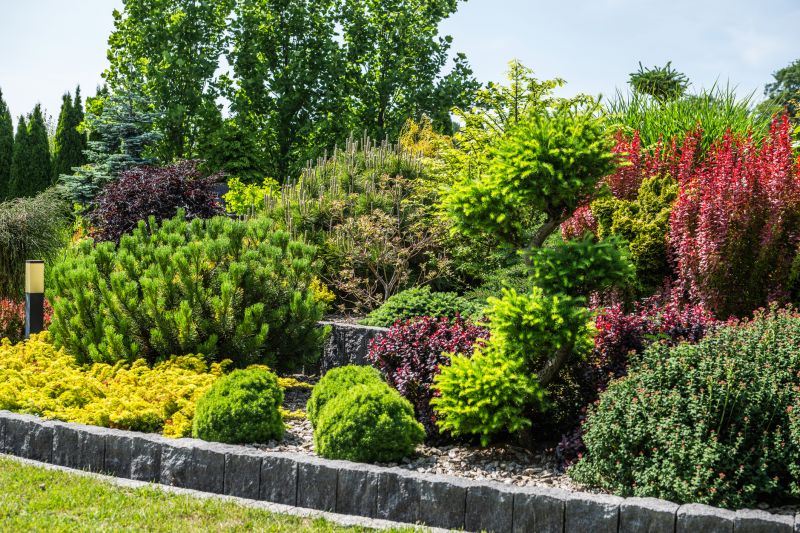
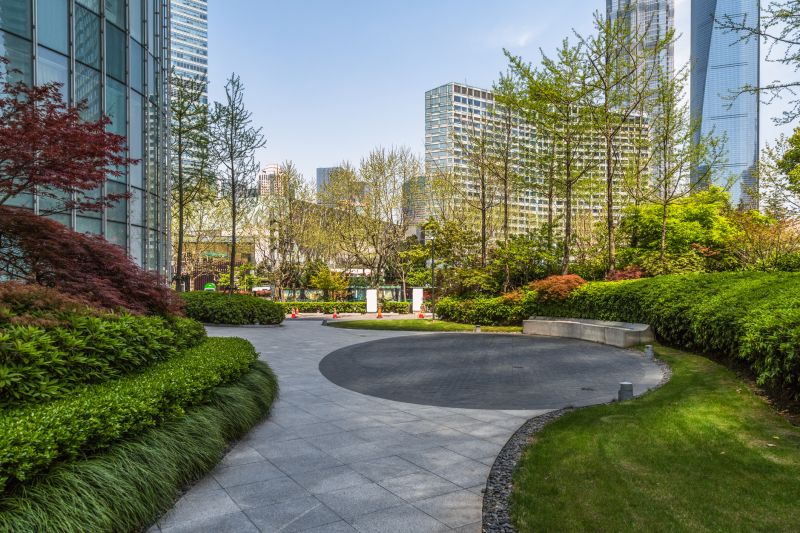
Commercial mulching services involve applying a layer of mulch material to the soil around trees, shrubs, flower beds, and landscaped areas on commercial properties. This process helps improve the appearance of the landscape while providing practical benefits such as weed suppression, moisture retention, and soil temperature regulation. Professional contractors typically use various types of mulch, including wood chips, bark, or rubber, depending on the specific needs of the property and the desired aesthetic. The application is carefully spread to ensure even coverage, creating a uniform and tidy look that enhances curb appeal and supports the health of the landscape.
One of the primary problems that commercial mulching addresses is weed growth. Weeds can quickly take over landscaped areas, competing with desirable plants for nutrients and water. Mulching forms a physical barrier that inhibits weed germination and growth, reducing the need for chemical weed control methods. Additionally, mulch helps retain moisture in the soil, which is especially beneficial during dry periods or in areas with inconsistent watering schedules. By maintaining soil moisture levels, mulching supports healthier plant growth and can reduce the frequency of watering and irrigation costs.
Property owners with extensive landscaping, such as shopping centers, office complexes, parks, or large commercial grounds, often use mulching services to maintain a clean and professional appearance. Mulching is also common on properties with flower beds, tree-lined streets, or landscaped entryways that require regular upkeep. These properties benefit from the aesthetic consistency and weed control that mulching provides, helping to create a welcoming environment for visitors and clients. Commercial mulching can be tailored to suit the scale and design of each property, ensuring a polished look that aligns with the property's overall landscape plan.
Homeowners with sizable gardens or landscaped yards may also seek commercial mulching services to improve their outdoor spaces. This service is particularly useful when preparing beds for planting, controlling weeds around trees, or maintaining a neat appearance throughout the growing season. Mulching can help prevent soil erosion, suppress weeds, and keep the soil moist, reducing maintenance efforts over time. Whether for a large residential property or a commercial site, professional contractors can assess the landscape needs and recommend the most suitable mulch types and application techniques to achieve long-lasting results.
The overview below groups typical Commercial Mulching projects into broad ranges so you can see how smaller, mid-sized, and larger jobs often compare in your area.
In many markets, a large share of routine jobs stays in the lower and middle ranges, while only a smaller percentage of projects moves into the highest bands when the work is more complex or site conditions are harder than average.
Smaller Mulching Jobs - For routine mulching around flower beds or small landscaped areas, local contractors typically charge between $250 and $600. Many projects fall within this range, especially for straightforward applications on modest surfaces.
Medium-Scale Projects - Larger landscaping areas or multiple beds often cost between $600 and $1,500. These jobs are common and usually involve more material and labor, but tend to stay within this middle range.
Large Commercial Mulching - Commercial or extensive mulching projects can range from $1,500 to $3,000 or more. Fewer projects reach this tier, which is reserved for large-scale or complex installations requiring significant resources.
Full Replacement or Major Landscaping - Complete overhaul or extensive mulching for large properties can exceed $5,000. These high-end projects are less common and typically involve detailed planning and substantial material costs.
Actual totals will depend on details like access to the work area, the scope of the project, and the materials selected, so use these as general starting points rather than exact figures.
Landscaping Bed Mulching - local contractors who install mulch around plant beds utilize similar skills in soil preparation and material application as commercial mulching projects.
Grading and Site Preparation - professionals experienced in grading and site leveling often employ comparable planning and equipment to ensure proper mulch placement and landscape stability.
Soil Amendment and Topsoil Delivery - service providers who improve soil quality through amendments share techniques used in preparing the ground for effective mulching.
Landscape Renovation - contractors involved in large-scale landscape updates often incorporate mulching as part of their overall design and maintenance plans.
Tree and Shrub Planting - specialists planting trees and shrubs use similar planning and soil management skills that complement mulching efforts around new or existing plantings.
Erosion Control Projects - professionals working on erosion prevention often use mulching techniques to stabilize soil and protect slopes, requiring similar tools and planning expertise.
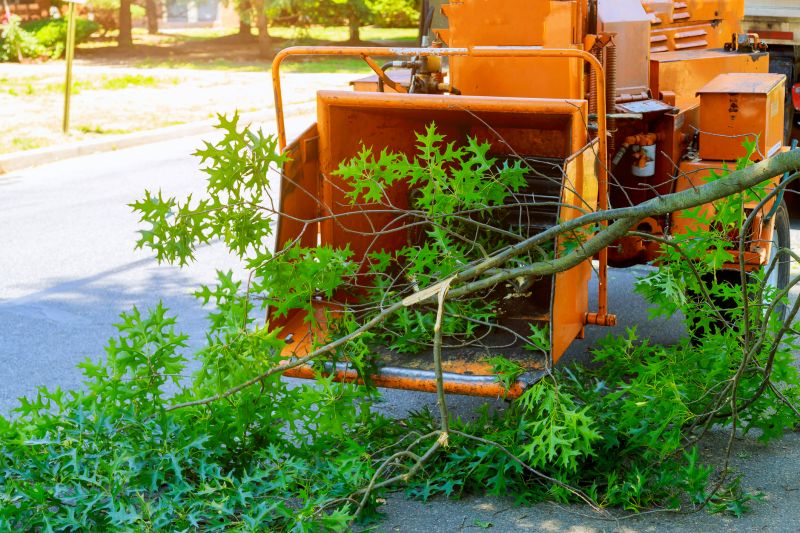
When comparing commercial mulching service providers, it’s important to consider their experience with similar projects. A contractor’s background working on properties comparable in size, scope, or type can be a strong indicator of their ability to handle your specific needs. Homeowners should inquire about the types of mulching jobs a local contractor has completed, ensuring they have relevant hands-on experience that aligns with the requirements of the site. This helps to gauge whether the service provider is familiar with the challenges and best practices associated with your project.
Clear written expectations are essential for ensuring that all parties understand the scope of work and deliverables. When evaluating local contractors, ask for detailed descriptions of the services they provide, including the extent of mulching, materials used, and any specific procedures. Having this information in writing helps prevent misunderstandings and provides a reference point throughout the project. It also allows homeowners to compare what different service providers are offering and select the one that best aligns with their project goals.
Reputable references and good communication are key factors in choosing a reliable service provider. Homeowners should seek out local contractors who can provide references from previous clients with similar projects. Contacting these references can offer insights into the contractor’s professionalism, quality of work, and reliability. Additionally, effective communication-such as timely responses and clear explanations-helps ensure that expectations are managed properly and that any questions or concerns are addressed promptly. This overall transparency and openness are valuable for building confidence in the chosen service provider, which is critical when coordinating a successful mulching project.
Property owners use Commercial Mulching services for practical projects around their homes and businesses. This guide focuses on everyday jobs and straightforward project options.
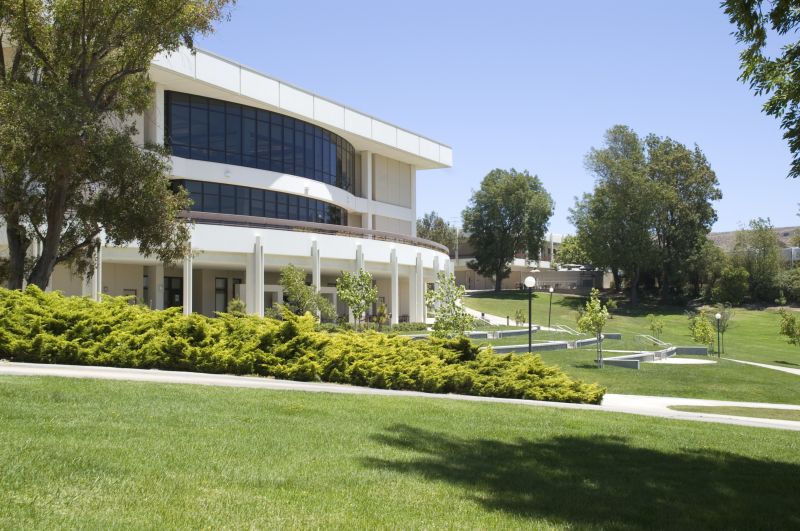
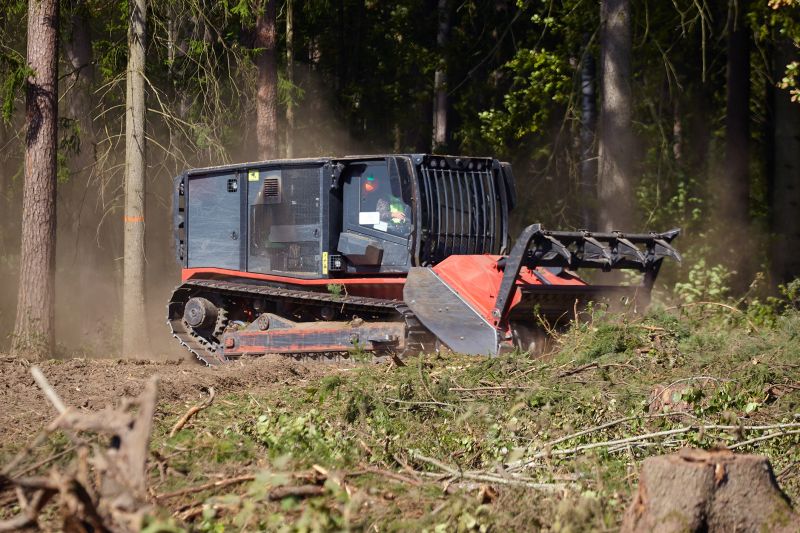
Commercial mulching services are often needed for property owners managing large landscapes or commercial grounds. Whether preparing new planting beds, controlling weeds, or maintaining a tidy appearance around storefronts and office complexes, local contractors can provide the necessary mulching solutions. These projects typically involve covering bare soil with mulch to improve aesthetics, suppress weeds, and promote healthier plant growth, making them a common choice for those looking to enhance their outdoor spaces efficiently.
Property owners may seek mulching services to improve curb appeal or protect their landscaping investments. From refreshing existing beds to establishing new landscape features, local service providers can handle a variety of commercial mulching needs. They offer practical solutions for maintaining a professional, well-kept appearance on business premises, parks, or other shared outdoor areas, helping property owners keep their grounds attractive and well-maintained.
What are commercial mulching services? Commercial mulching services involve applying mulch to large-scale areas such as business landscapes, parks, or commercial properties to improve appearance and health of plant beds.
Why should a business consider mulching? Mulching helps retain soil moisture, suppress weeds, and enhance the overall aesthetic of commercial landscapes, making outdoor spaces more inviting.
What types of mulch are used in commercial projects? Common mulch options include wood chips, bark, rubber mulch, and gravel, selected based on the specific needs and design preferences of the property.
How do local contractors handle large-scale mulching projects? Local service providers typically assess the site, prepare the area, and apply mulch efficiently to ensure even coverage and a professional finish.
Can commercial mulching be integrated with other landscaping services? Yes, mulching is often combined with planting, edging, and landscape maintenance to create a cohesive and well-maintained outdoor space.
Enhance Landscape Appearance - Mulching services help property owners improve the visual appeal of flower beds, shrubs, and trees with a clean, finished look.
Control Weed Growth - Applying mulch can reduce weed development, making garden maintenance easier and more manageable.
Protect Plant Roots - Mulch provides a protective layer around plant roots, helping to conserve moisture and shield against temperature fluctuations.
Reduce Soil Erosion - Mulching services assist in preventing soil erosion on slopes and garden beds, maintaining landscape stability.
If you are thinking about Commercial Mulching for a property, this guide is meant to help you understand the work, the typical project types, and how different options might fit your plans.
When you are ready, you can use the quote form on this page to share a few details about your project. From there, local pros can review the basics and respond with options that match what you have in mind.