Signs Your Artificial Grass Needs Repair
If you notice signs your artificial grass needs repair, local contractors can assess and fix issues to restore its appearance and functionality effectively.
If you’ve noticed irregular patches, loose areas, or uneven surfaces in your artificial grass, it could be a sign that repairs are needed. Over time, wear and tear from foot traffic, weather, or improper installation can cause damage that affects the appearance and functionality of your turf. Property owners in the area might explore this topic to maintain a safe, attractive outdoor space or to prevent minor issues from escalating into more costly repairs. Recognizing these signs early can help ensure that your artificial grass continues to look its best and performs well for years to come.
When signs of damage such as fading, tears, or loose seams appear, it’s a good idea to consult experienced service providers who specialize in artificial turf repair. Local contractors can assess the condition of your turf and recommend the appropriate fixes to restore its original look and durability. Staying attentive to these indicators not only helps preserve the aesthetics of your property but also ensures that any necessary repairs are handled efficiently by professionals skilled in artificial turf restoration. Keep reading to learn more about how to identify when your artificial grass needs attention.
- Artificial turf patching - when areas of the grass become worn or torn, local contractors can repair or replace damaged sections to restore appearance and function.
- Drainage repair - signs of pooling or water buildup may indicate underlying issues that local service providers can address to ensure proper drainage.
- Infill replacement - if the artificial grass appears uneven or flattened, local pros can add or replace infill to improve stability and look.
- Seam and joint repair - visible seams or loose joints can signal the need for professional fixing to prevent further damage and maintain integrity.
- Surface leveling and smoothing - uneven or bumpy surfaces can be corrected by local contractors to ensure a safe and visually appealing artificial turf area.
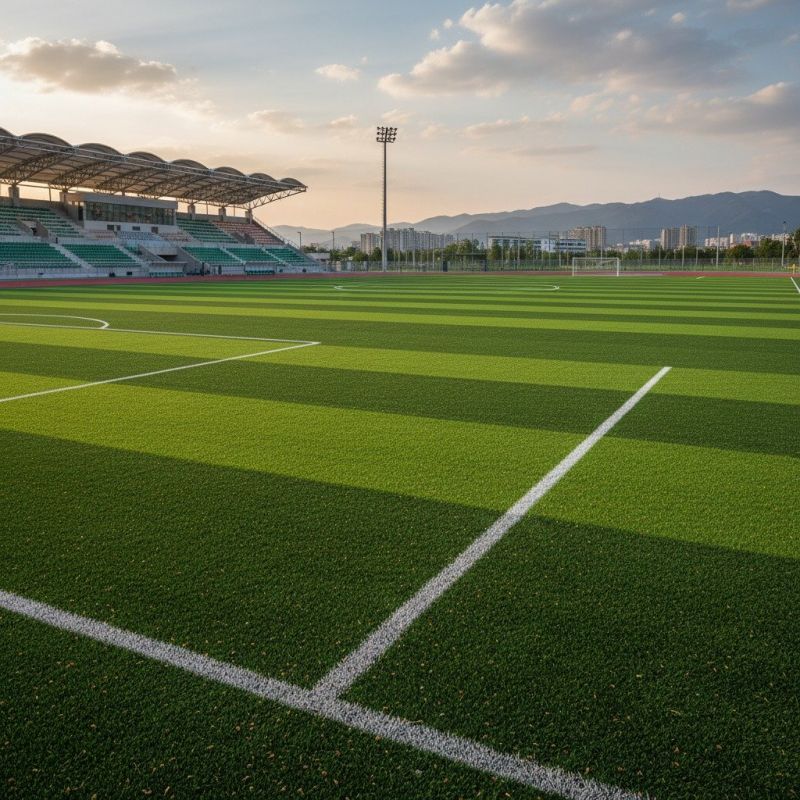
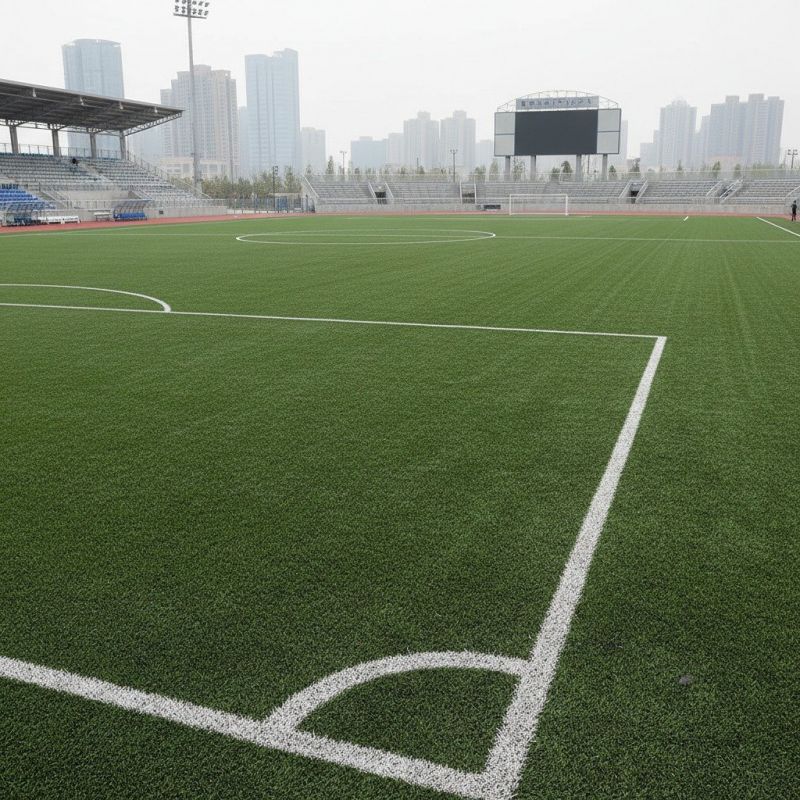
When homeowners search for signs your artificial grass needs repair, they are typically looking for indications that their synthetic turf has experienced damage or deterioration over time. Artificial grass is often installed in residential yards, playgrounds, sports fields, or commercial landscapes, making it a popular choice for those seeking a low-maintenance, attractive surface. When issues arise, it can impact the appearance, safety, and usability of the area. Recognizing early warning signs can help property owners determine whether repairs are needed to restore the turf’s look and functionality, and connecting with local contractors who specialize in artificial turf repair ensures the work is handled professionally.
Common problems associated with aging or damaged artificial grass include uneven surfaces, bald patches, and visible seams or wrinkles. These issues often develop due to frequent foot traffic, exposure to weather elements, or improper installation. For instance, areas with heavy use may show signs of matting or flattened fibers, while seams may start to lift or fray over time. Such problems not only diminish the aesthetic appeal but can also create tripping hazards or areas prone to weed growth or debris accumulation. Identifying these signs early can help property owners plan for repairs that extend the turf’s lifespan and maintain a clean, uniform appearance.
The types of properties that typically encounter issues with artificial grass include residential backyards, commercial properties, sports fields, and playgrounds. Residential yards often face wear and tear from pets, children, or outdoor furniture, leading to bald spots or flattened patches. Commercial properties or sports facilities may see more extensive damage due to heavy use or equipment, resulting in seam separation or turf displacement. Playgrounds with artificial turf may experience tears or rips caused by rough play or vandalism. Understanding the specific needs of these property types can guide homeowners and property managers in recognizing when professional repair services are necessary to address damage and keep the turf safe and visually appealing.
Connecting with experienced artificial turf repair service providers is essential when signs of damage appear. Local contractors can assess the extent of issues, such as surface unevenness, tears, or seam separation, and recommend appropriate repairs. These professionals have the tools and expertise to restore the turf’s appearance and safety, whether through patching, seam repairs, or infill replacement. Regular inspections can help property owners catch problems early, minimizing long-term damage and avoiding more costly replacements. By working with local pros, homeowners and property managers can ensure their artificial grass remains functional, attractive, and long-lasting, even as signs of wear and tear emerge over time.
Landscape Design Projects - These projects often involve planning and installing various outdoor surfaces, requiring knowledge of turf layouts and site preparation similar to artificial grass repair.
Garden and Yard Renovations - Renovation work includes repairing or replacing damaged turf sections, making it relevant for professionals experienced in restoring artificial grass areas.
Drainage System Installations - Proper drainage is essential for maintaining artificial turf, and installing or repairing drainage systems shares skills with turf repair services.
Hardscaping Projects - Installing features like pathways or patios often requires turf adjustments, connecting to the skills needed for patching or replacing damaged artificial grass.
Playground Surface Installations - These projects involve ensuring safe, even surfaces, which can include repairing or replacing sections of artificial turf used in play areas.
Irrigation System Upgrades - Upgrading or repairing irrigation can impact artificial grass health, and understanding these systems is useful for professionals handling turf repairs.
When evaluating artificial turf repair services, it is important to consider the experience of local contractors with similar projects. Homeowners should inquire about the types of repair work the service providers have handled in the past, ensuring they have a history of addressing issues like uneven surfaces, worn patches, or damaged backing. A contractor’s familiarity with different artificial grass products and repair techniques can lead to more effective solutions and help prevent recurring problems. Checking references or reviews from previous clients can provide insights into their ability to deliver quality results and manage repairs efficiently.
Clear written expectations are essential when comparing local service providers for artificial turf repair. Homeowners should seek detailed descriptions of the scope of work, including what repairs will be performed, the materials used, and any potential limitations. Having a transparent understanding of what to expect helps prevent misunderstandings and ensures that the contractor’s services align with the homeowner’s needs. It is also beneficial to clarify the process for addressing unforeseen issues that may arise during repair work, so there are no surprises once the project begins.
Effective communication plays a vital role in selecting the right contractor for artificial turf repair. Homeowners should prioritize service providers who are responsive and willing to answer questions thoroughly, providing explanations that are easy to understand. Good communication fosters trust and allows for better coordination throughout the repair process. Reputable local contractors often maintain open lines of communication, ensuring that homeowners stay informed about progress and any adjustments needed. This level of engagement can contribute to a smoother repair experience and a final result that meets expectations.
Property owners often search for signs your artificial grass needs repair when they are planning practical projects around their homes and businesses. Local pros provide Artificial Turf Repair services for everyday jobs and straightforward project options.
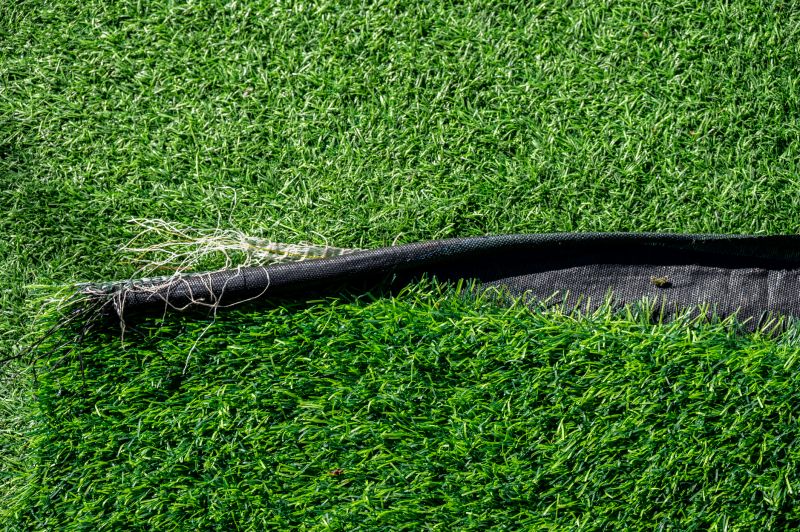
Signs your artificial grass needs repair can often become noticeable through everyday use around the property. For instance, areas that appear flattened, uneven, or have developed bald patches may indicate underlying issues with the turf’s installation or wear over time. Additionally, if sections of the grass are lifting, curling at the edges, or if seams are coming apart, these are clear signals that professional repair services might be needed to restore a smooth, natural-looking surface.
Property owners in the area might seek artificial turf repair services when they notice weeds or debris becoming trapped beneath the surface or if the infill material has shifted or become sparse. Heavy foot traffic, pets, or harsh weather conditions can accelerate damage, leading to visible indentations or tears. When these signs emerge, local service providers experienced in artificial turf repair can help address the issues efficiently, ensuring the turf remains safe, attractive, and functional for everyday activities.
How can I tell if my artificial grass has uneven patches? Uneven patches may become noticeable through areas that look raised, sunken, or differently textured compared to the rest of the turf, indicating the need for repair by local contractors.
What signs indicate that the infill material is degraded or missing? If the infill appears sparse, clumpy, or visibly displaced, it suggests the turf may require repair services to restore proper support and cushioning.
How do I know if my artificial grass has developed tears or rips? Visible tears, frayed edges, or separation of turf fibers from the backing are signs that repairs are needed to prevent further damage and maintain appearance.
What should I look for to identify drainage issues in my artificial grass? Standing water or pooling after rain, along with a soggy or muddy surface, can indicate drainage problems that local repair specialists can address.
Are there signs that my artificial turf is experiencing wear and tear? Excessive matting, flattened areas, or fading colors are common indicators that repair services may be necessary to restore the turf’s condition.
Visible matting or flattening - noticing areas where the artificial grass appears compressed or uneven can indicate underlying damage that requires repair by local contractors.
Fading or discoloration - significant color changes may suggest UV damage or wear, prompting professional assessment and restoration services.
Loose or lifted sections - edges or patches that are detaching from the ground can lead to further deterioration, making repair essential.
Unusual odors or mold growth - the presence of odors or mold can signal trapped moisture or decay, which local pros can address through cleaning and repair.
If you are thinking about signs your artificial grass needs repair for a property, this guide is meant to help you understand this topic, the typical project types, and how different options might fit your plans.
When you are ready, you can use the quote form on this page to share a few details about your project. From there, local pros can review the basics and follow up with options that match what you have in mind.